What to notice first
In Los Angeles homes, certain signals can hint at biohazard concerns beyond routine cleaning. A persistent, sour smell, especially after cleaning efforts, can indicate organic matter that needs professional handling. Visible residues, unusual color changes on flooring or walls, and odd textures under sinks or in corners may signal contamination that requires specialized attention from a biohazard remediation technician.
Another red flag is moisture that won’t dry out. In warmer LA climates, humidity can drive mold and bacteria growth. If you see white, gray, or black films near plumbing access, or if a surface feels slick or damp, it’s time to pause and call in a professional team for assessment before the issue spreads.
When surface cleaning isn’t enough
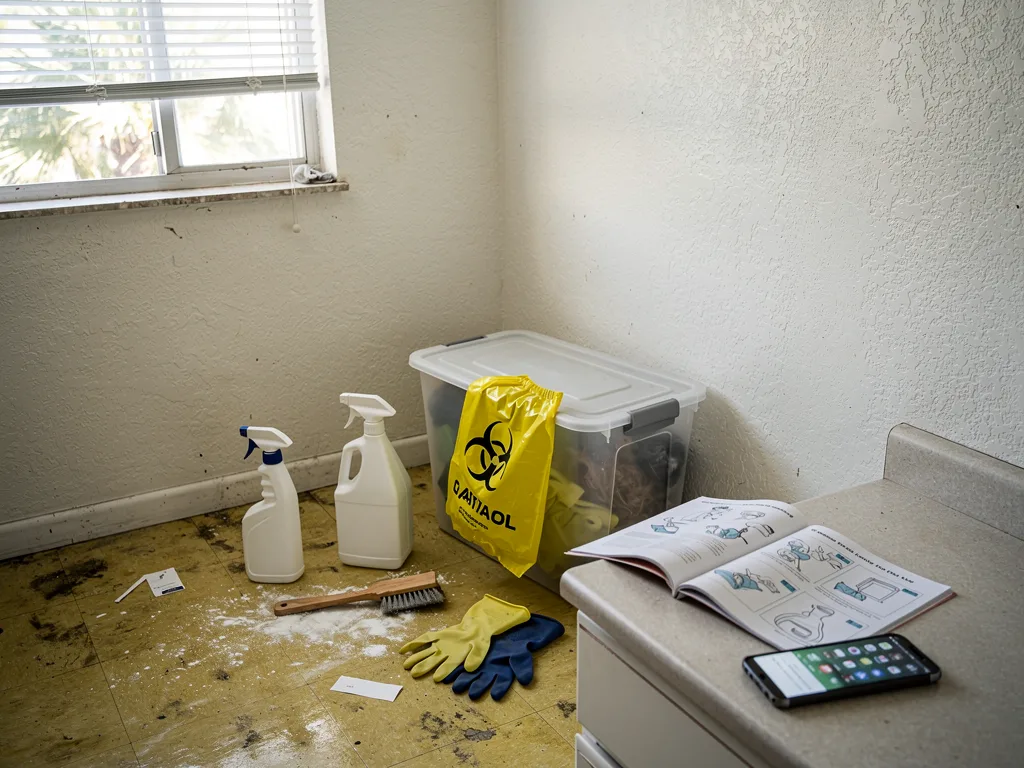
Basic cleaning tools won’t always remove biological hazards. Surfaces that have absorbed bodily fluids, feces, or pathogens can require specialized cleaning methods and validated safety procedures. Our crew at Los Angeles Biohazard Cleanup Specialists follows strict protocols to determine whether additional steps are needed beyond cleaning and deodorizing.
Do not rely on air fresheners or generic cleaners to mask odors. They may hide the problem rather than resolve it. If odors linger after cleaning, that’s a signal to schedule a professional assessment with a biohazard remediation technician.
What to expect when you call
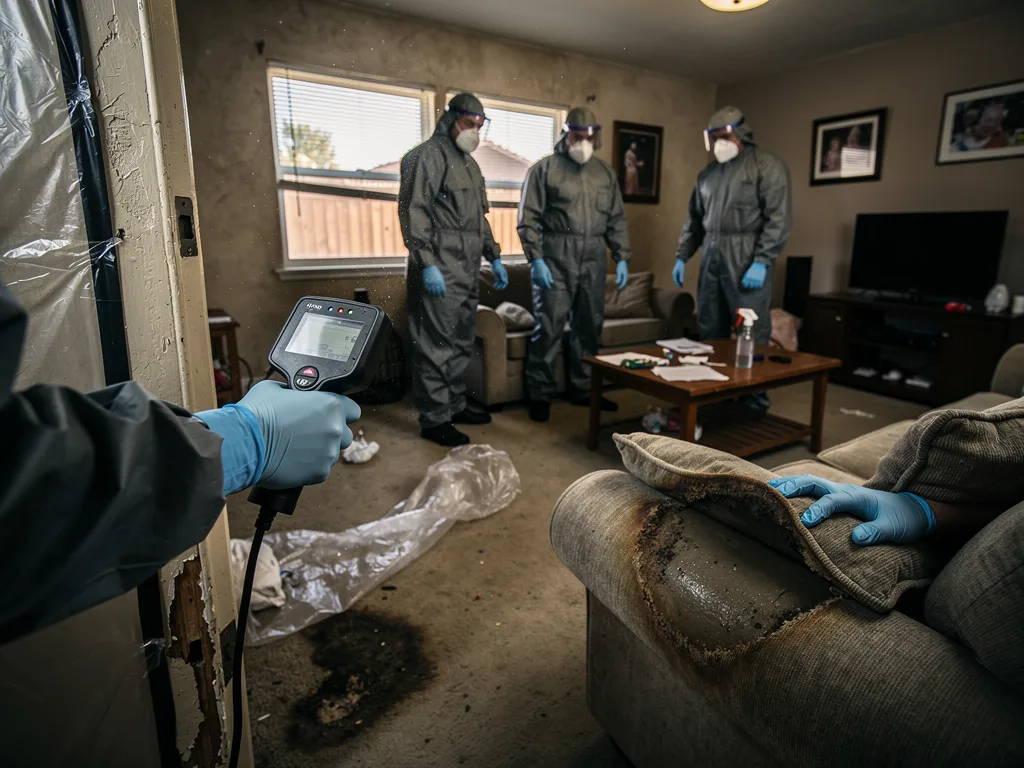
When you reach out, describe the area and any known sources of contamination. A biohazard remediation technician will ask targeted questions to assess risk and determine the scope. In many cases, we will need to inspect hidden spaces such as crawl spaces, basements, and under-sink cabinetry where residues can accumulate away from sight.
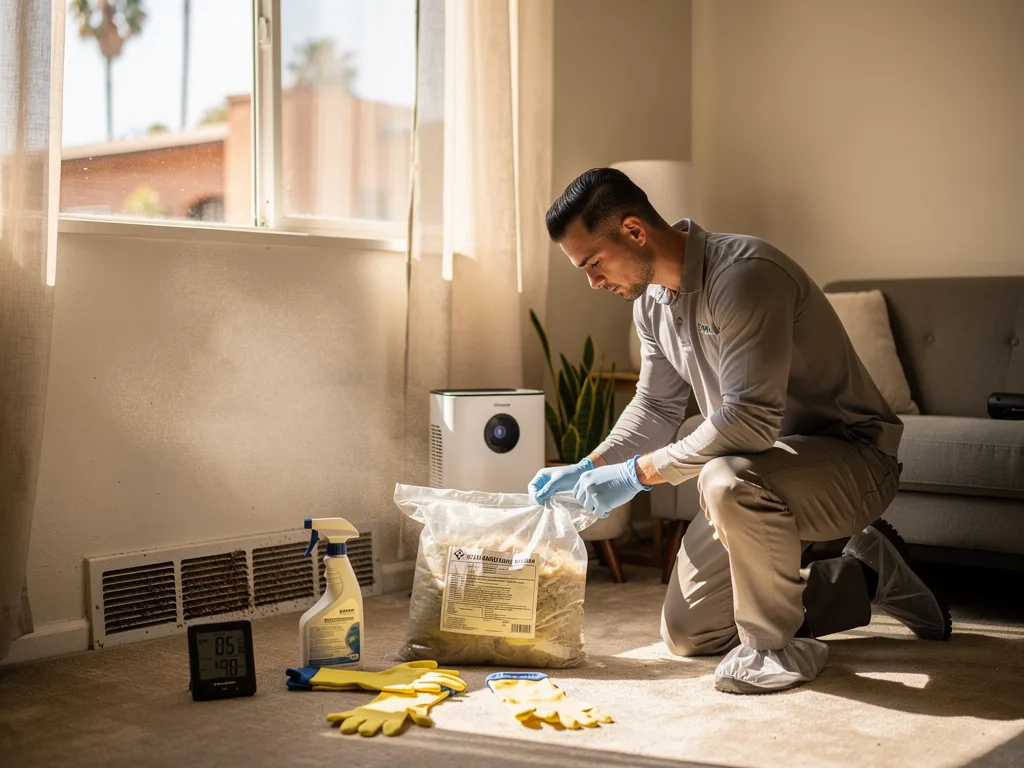
Our team uses protective equipment and specialized tools to evaluate air quality, surface contamination, and potential pathways for cross-contamination. The goal is to establish a plan that protects your family and preserves your home’s structure while addressing the hazard at its source.